For more than a century, the coil winding, transformer, motor and e-mobility sectors have shaped the backbone of global electrification — and today their evolution is accelerating at unprecedented pace. This page explores the key milestones, breakthroughs and engineering achievements that brought our industry to where it is now, and the innovations that will define what comes next.
1975–1989
Materials breakthroughs and the birth of modern drives
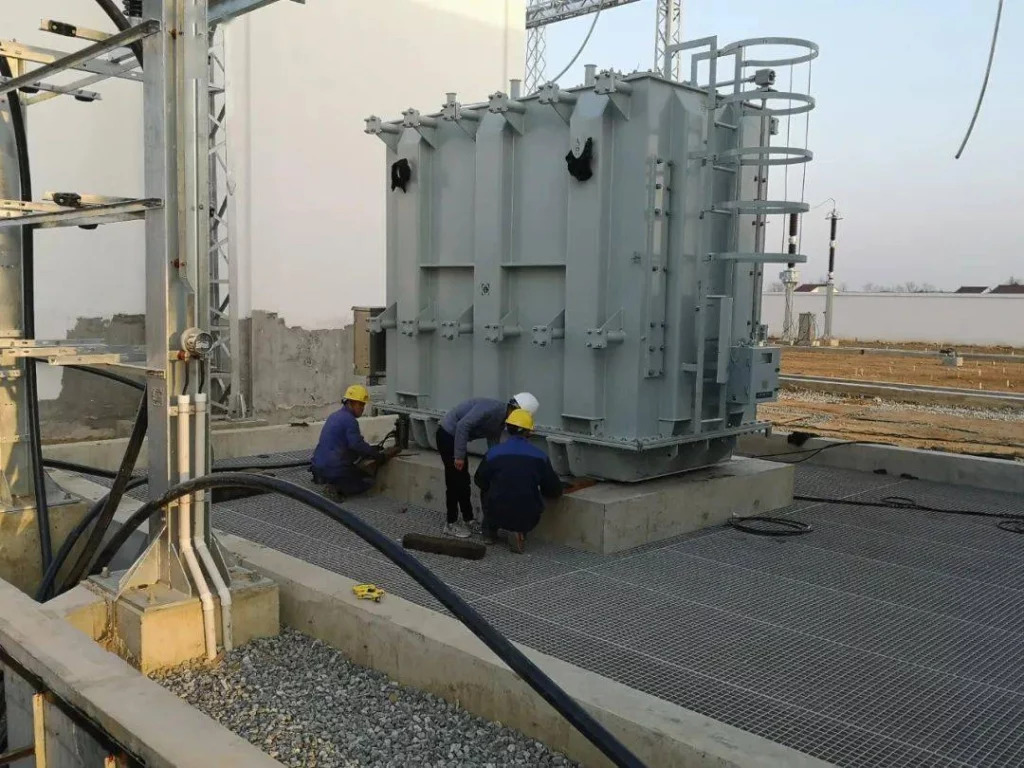
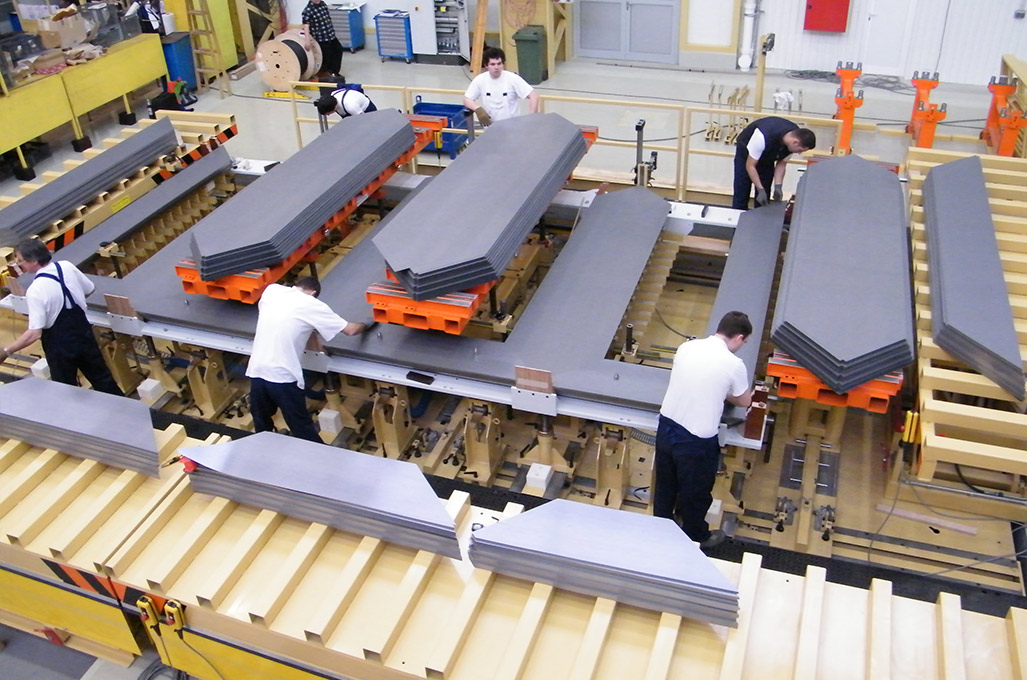
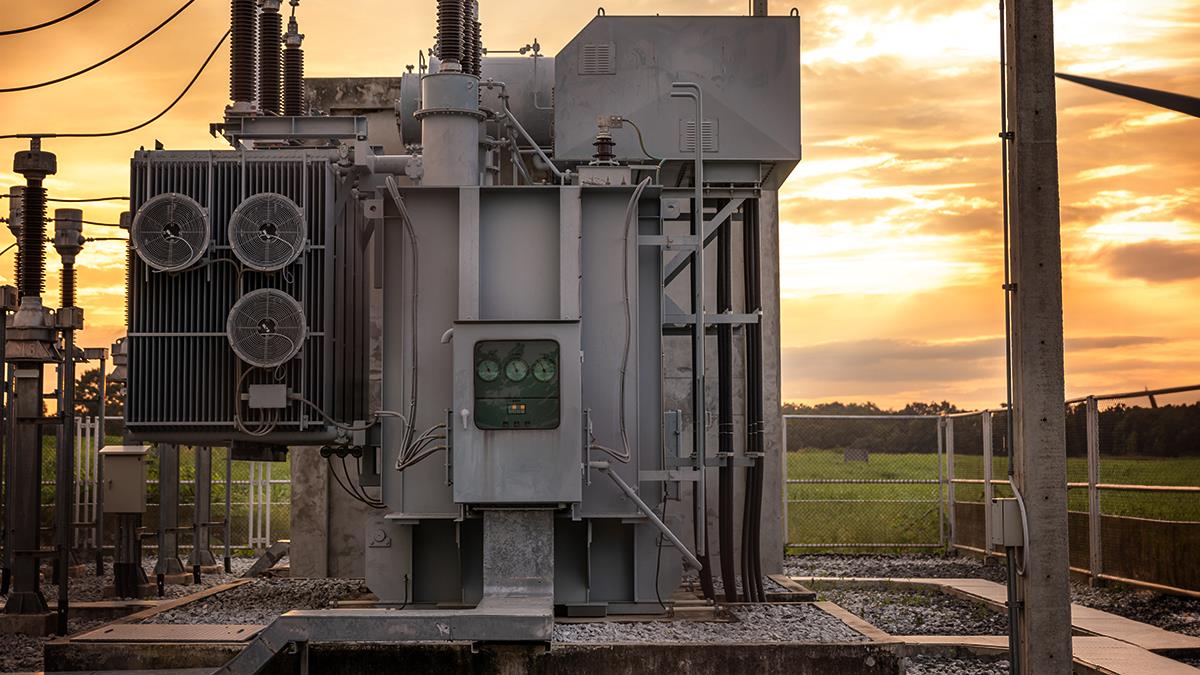
- Amorphous metal cores emerge (Metglas/Allied Signal), cutting transformer no-load losses and kicking off the long march toward high-efficiency distribution transformers.
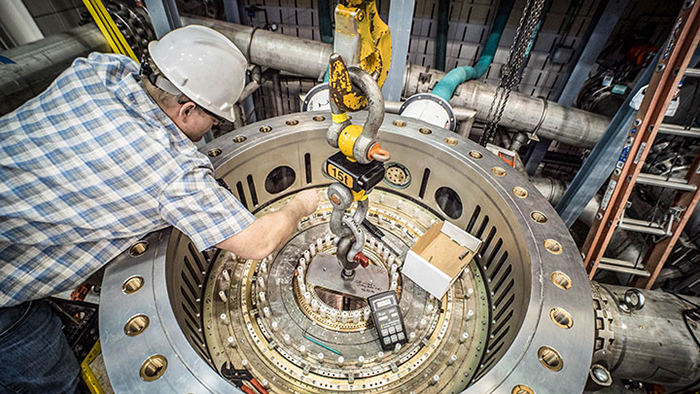
- Rare-earth magnets leap forward: NdFeB (neodymium-iron-boron) is invented and commercialised (GM/Sumitomo), enabling compact, powerful motors and countless actuators.
- IGBTs arrive in the 1980s, combining MOSFET gate ease with bipolar current capability—paving the way for reliable variable-frequency motor drives (VFDs).
- Insulation systems: aramid papers (e.g., Nomex) are adopted widely in dry-type transformers and motors through the 1980s for higher thermal classes and safety.

Early amorphous cores, rare-earth magnets, and VFDs reshaped transformer and motor design.