.png?ext=.png)
Avrupa’nın gelecekteki enerji ihtiyacı neden şebekeye yönelik yeni bir yaklaşıma bağlı?
Yıllar boyunca, Avrupa’nın enerji dönüşümü öncelikle bir iklim sorunu olarak ele alındı. Odak noktası, emisyonların azaltılması, yenilenebilir enerji üretiminin genişletilmesi ve fosil yakıtlardan uzaklaşmanın hızlandırılmasıydı. Bu öncelikler hâlâ hayati önem taşıyor, ancak son dönemde yaşanan jeopolitik ve ekonomik gelişmeler bu tartışmanın seyrini kökten değiştirdi. Rüzgâr enerjisi alanında önde gelen isimlerden biri olan ve CWIEME Berlin 2026’nın ana konuşmacısı Henrik Stiesdal, enerji güvenliğinin neden artık çok daha acil bir mesele haline geldiğini açıklıyor.
Ukrayna’daki savaş, Avrupa’nın ithal petrol ve doğalgaza bağımlılığının risklerini ortaya çıkardı. Daha yakın zamanda ise küresel ticaret ilişkilerindeki artan istikrarsızlık, dış enerji kaynaklarına bağımlı olmanın getirdiği kırılganlığı daha da belirgin hale getirdi.
Avrupa’nın şu anda karşı karşıya olduğu zorluk açıktır: Sadece temiz değil, aynı zamanda dayanıklı, uygun maliyetli ve bağımsız bir enerji sistemini nasıl kurabiliriz?
Neyse ki, bu hedefler artık birbiriyle çelişmiyor. Yenilenebilir enerji, Avrupa’ya enerji güvenliğini güçlendirirken aynı zamanda maliyetleri düşürme ve karbonsuzlaşmayı hızlandırma fırsatı sunuyor. Rüzgâr ve güneş enerjisi artık mevcut en ucuz elektrik üretim yöntemleri arasında yer alırken, ithal yakıtlara olan bağımlılığı da azaltıyor.
Ancak Avrupa, yenilenebilir enerji üretiminde muazzam ilerleme kaydetmiş olsa da, şimdi daha zor bir soru ortaya çıkıyor: Elektrik sistemlerimiz, devam eden bu geçişin ölçeği ve değişkenliğiyle gerçekten başa çıkabilir mi?
Yeni bir zorluk
Avrupa’nın enerji şebekeleri, nispeten öngörülebilir bir model temelinde kurulmuştu. Büyük, merkezi elektrik santralleri kesintisiz olarak elektrik üretirken, tüketiciler ihtiyaç duydukları her an elektrikten yararlanıyordu. Sistem, üretim miktarının talebe göre ayarlanmasıyla her an talebi karşılayacak şekilde tasarlanmıştı. Ancak yenilenebilir enerji kaynakları bu durumu tamamen değiştirdi.
Güneş enerjisi üretimi gün ışığına göre artar ve azalır. Rüzgâr enerjisi üretimi ise hava koşullarına göre dalgalanır. Öte yandan, elektrik talebi kalıpları nispeten sabit kalmaktadır. Sonuç olarak, elektriğin üretim şekli ile tüketim şekli arasında giderek artan bir uyumsuzluk ortaya çıkmaktadır.
Bu uyumsuzluk, halihazırda Avrupa genelindeki iletim ve dağıtım sistemleri üzerinde büyük bir baskı oluşturmaktadır. Yenilenebilir enerji geliştiricileri, veri merkezleri, endüstriyel elektrifikasyon projeleri ve pil depolama operatörleri, eşi görülmemiş bir ölçekte şebeke erişimi için rekabet halindedir.
Bu zorluğun çözümünün bir parçası olabilir misiniz? 2027 yılında CWIEME Berlin, şebeke stratejisinin üretim ve tedarik zinciri gerçekleriyle buluştuğu Grid Delivery Summit’i düzenleyecek. Katılmak ister misiniz?
Daha fazla bilgi edinin
Danimarka, bunun pratikte nasıl bir durum olduğunu gösteren çarpıcı bir örnek teşkil ediyor. Ülkenin en yüksek elektrik talebi yaklaşık yedi gigawatt düzeyindeyken, şebeke bağlantı talepleri şu anda 60 gigawatt’ı aşıyor. Mart 2025’te bu rakam o kadar artmıştı ki, Danimarka iletim sistemi operatörü Energinet, bekleme listesindeki taleplere nasıl öncelik vereceğini belirlemek için üç ay süreyle tüm yeni şebeke bağlantı anlaşmalarını askıya aldı. Danimarka sadece bir örnek olsa da, altta yatan sorun Avrupa genelinde giderek yaygınlaşıyor: Elektrik talebi ve üretimi, şebeke altyapısının genişleyebileceğinden çok daha hızlı artıyor.
Daha fazla altyapı yeterli değildir
İçgüdüsel tepki, daha fazla altyapı inşa etmektir. Daha fazla kablo, daha fazla trafo merkezi, daha fazla iletim hattı. Belli ki bir miktar genişletme gereklidir. Ancak yalnızca şebeke genişletmeye güvenmek, son derece pahalı ve verimsiz bir sistem yaratma riskini beraberinde getirir.
Daha akıllı bir çözüm, mevcut altyapıyı daha etkili bir şekilde kullanmaktan geçer. Modern enerji sistemlerindeki en önemli kavramlardan biri, kapasite faktörüdür; yani şebekenin zaman içinde ne kadar verimli kullanıldığıdır. Bir güneş enerjisi tesisine bağlı bir iletim hattı, günün yalnızca sınırlı bir bölümünde tam kapasiteye yakın bir şekilde çalışabilir. Altyapı mevcut, ancak potansiyelinin büyük bir kısmı kullanılmamaktadır.
Yenilenebilir enerji üretimini depolama ve esnek talep ile birleştirerek, bu kullanım oranı önemli ölçüde artırılabilir. Örneğin, pillerle eşleştirilmiş bir güneş enerjisi tesisi, güneş ışığının en yoğun olduğu saatler geçtikten çok sonra bile elektrik sağlamaya devam edebilir; bu da şebekedeki talebi dengeleyerek ek altyapı yatırımı ihtiyacını azaltır.
Daha esnek bir enerji sistemi
Geleceğin enerji sistemi, yalnızca talebe uyum sağlayan jeneratörlere dayanamaz. Tüketiciler de şebekenin dengelenmesinde aktif bir rol üstlenmelidir. Bu, mutlaka bir aksaklık ya da rahatsızlık anlamına gelmez.
Çoğu durumda esneklik, otomasyon, fiyatlandırma yapıları ve daha akıllı enerji yönetimi sayesinde neredeyse fark edilmeyecek şekilde sağlanabilir.
Gizli kapasite
Avrupa genelinde milyonlarca elektrikli araç (EV) bataryası kademeli olarak elektrik şebekesine bağlanıyor. Tek tek bakıldığında bunlar küçük varlıklar. Ancak toplu olarak ele alındığında, esnek depolama kapasitesi açısından muazzam bir kaynak oluşturuyorlar.
Danimarka, bu fırsatın boyutunu bir kez daha gözler önüne seriyor. Ülkede halihazırda yollarda bir milyondan fazla elektrikli araç bulunuyor. Standart 11 kW şarj cihazları aracılığıyla şebekeye bağlı olan bu araçlar, toplu olarak ülkenin tüm en yüksek elektrik talebinden daha fazla kontrol edilebilir güç oluşturuyor.
Asıl dikkat çekici olan, bu teknolojinin var olması değil; çoğu enerji sisteminin hâlâ bu teknoloji yokmuş gibi çalışmasıdır.
Aynı ilke, sanayi ve altyapı sektörlerinde de geçerlidir. Soğutmalı depolar, depolanan malları etkilemeden kompresör kullanımını geçici olarak azaltabilir. Endüstriyel tesisler, belirli süreçleri talebin daha düşük olduğu dönemlere kaydırabilir. Veri merkezleri, esnek yük dengelemeye katkıda bulunabilir. Bütün endüstriyel kümeler, tüketimi içsel olarak koordine edebilir ve şebeke operatörlerine daha istikrarlı bir talep profili sunabilir.
Önemli olan, sadece daha fazla yenilenebilir elektrik üretmek değil, tüketimi yenilenebilir enerjinin mevcut olduğu dönemlerle daha akıllıca uyumlu hale getirmeyi öğrenmektir.
Kültürel bir dönüşüm
Bunu mümkün kılmak için gereken teknolojinin büyük bir kısmı halihazırda mevcuttur. Pil maliyetleri son on yılda önemli ölçüde düşmüş ve bu da enerji depolamanın ekonomik yapısını kökten değiştirmiştir. Akıllı şarj sistemleri, dijital kontrol sistemleri ve şebeke yönetim yazılımları da sürekli gelişmektedir. Asıl engel ise genellikle zihniyet meselesidir.
On yıllardır elektrik sektörü, tüketicilerin her an sınırsız güce erişebilmesi gerektiği, talebi karşılamanın sorumluluğunun ise üreticilere ait olduğu varsayımıyla işleyiş göstermiştir. Bu mantık, kontrol edilebilir üretime dayalı fosil yakıt sisteminde anlamlıydı. Ancak yenilenebilir bir sistem, arz ve talep arasında daha dinamik bir ilişki gerektirir.
Bu durum, sadece teknik yenilikler için değil, iş modelleri, piyasa yapıları ve düzenlemeler alanında da yenilikler için bir fırsat yaratır. Şebeke tarifeleri, erişim için sadece ücret almak yerine esnekliği ödüllendirebilir. Talep kalıplarını uyarlamaya istekli tüketiciler finansal olarak fayda sağlayabilir.
Pil işletmecileri, özellikle yenilenebilir enerji arzındaki dalgalanmaları dengelemeleri için teşvik edilebilir. Yenilenebilir enerji üreticileri de depolama ortaklıkları ve hibrit sistemler aracılığıyla şebekenin istikrarını sağlamada aktif katılımcılar haline gelebilir. Başka bir deyişle, geleceğin şebekesi sadece donanımla değil, koordinasyonla da ilgilidir.
Bu nedenle, Avrupa’nın enerji dönüşümünün bir sonraki aşaması, üretim kapasitesinin kendisi kadar sistemsel düşünceye de bağlı olacaktır. Dayanıklı, uygun maliyetli ve karbonsuz bir enerji sistemi için gerekli teknolojiler halihazırda mevcuttur. Asıl zorluk, bunları akıllı bir şekilde entegre etmektir.
Bu zorluklar ve bunları çözmek için ortaya çıkan yenilikler, CWIEME Berlin 2026 etkinliği boyunca ana temalar arasında yer aldı ve 2027’de CWIEME Berlin ile aynı yerde düzenlenecek yeni bir etkinlik olan Grid Delivery Summit’in de odak noktası olacaktır.
Çünkü nihayetinde, enerji dönüşümünün başarısı yalnızca Avrupa’nın ne kadar yenilenebilir elektrik üretebileceğine değil, sektörün bu elektriği entegre etmek, yönetmek ve kullanmak için ne kadar akıllıca işbirliği yapacağına da bağlı olacaktır.
Yazar
.jpg?width=150&height=171)
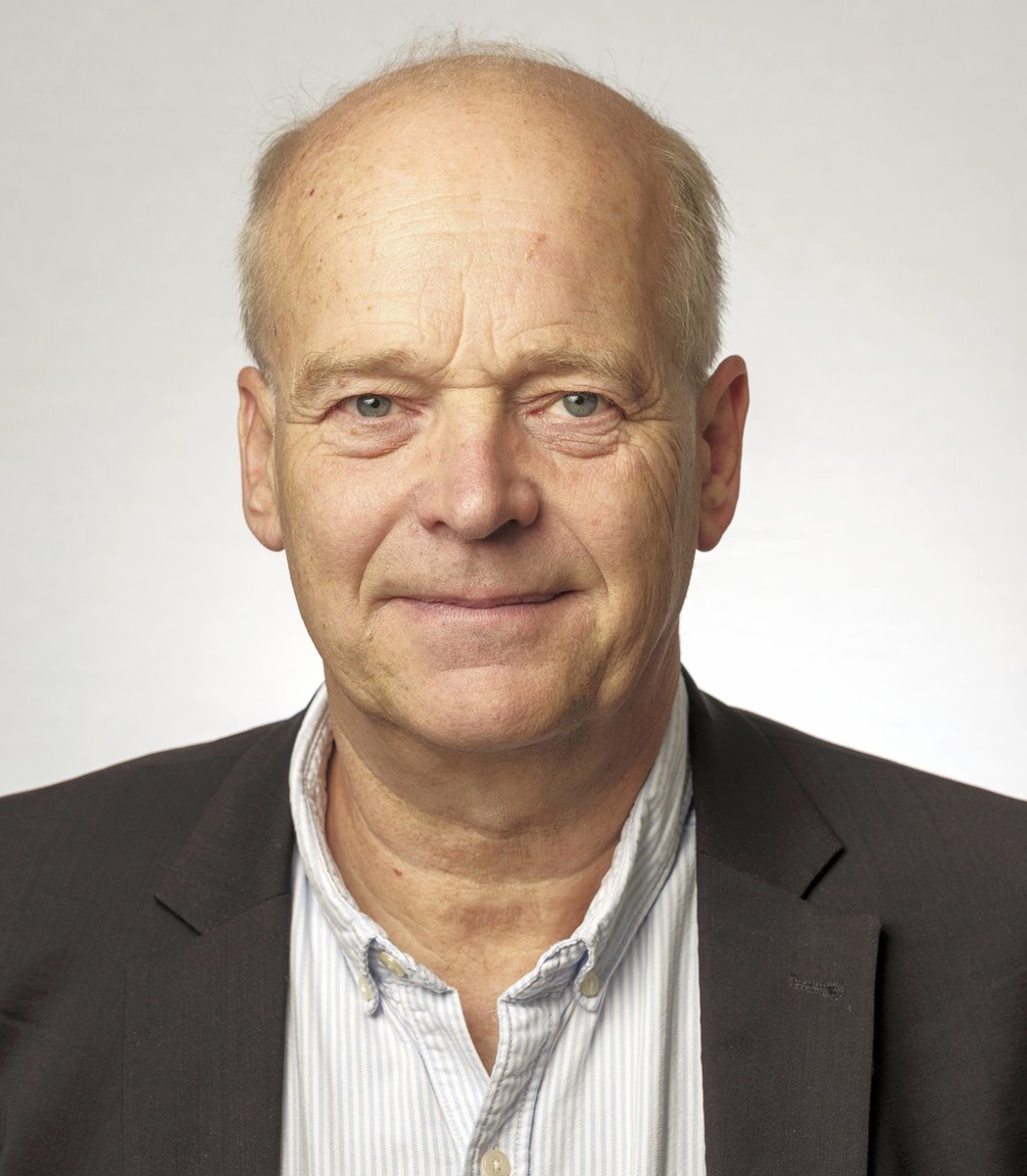
Prof. Henrik Stiesdal
Rüzgâr Enerjisi Öncüsü