AI is reshaping how manufacturers approach raw materials, shifting from sourcing constraints to designing materials that meet performance, cost and supply requirements.
Standardisation in transformer and motor design reduces complexity and delivery risk, enabling faster, more reliable manufacturing without compromising grid performance.
Inverter-driven motor design demands system-level thinking, where insulation, cooling and testing must work together to ensure reliability under real operating conditions.
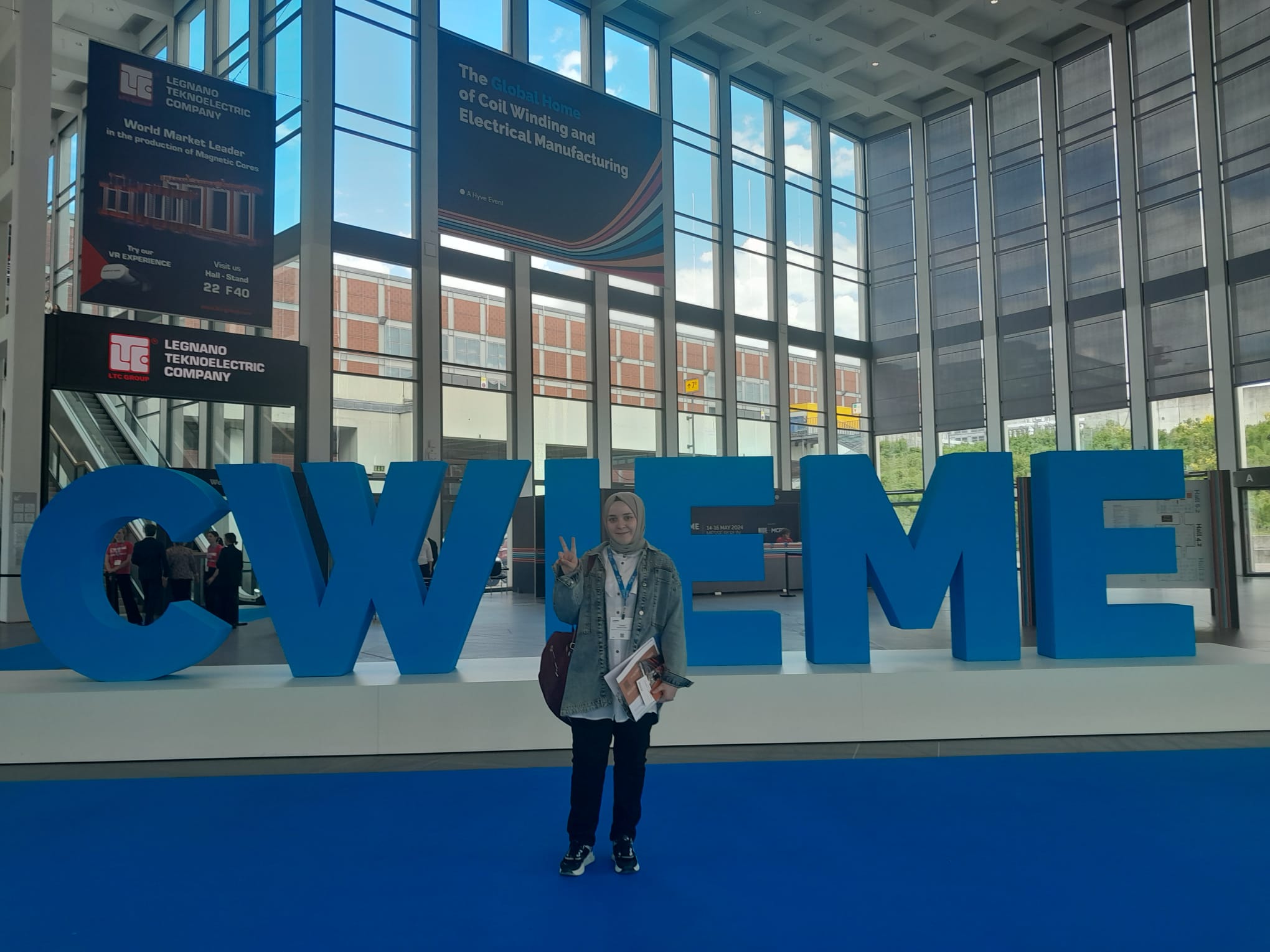
CWIEME Berlin 2026 marks 30 years by bringing the industry together with an expanded programme, new features and more opportunities to connect, learn and do business.
The Academic Excellence Hub at CWIEME Berlin connects students, universities and industry to build the next generation of engineers entering the electrical manufacturing sector.
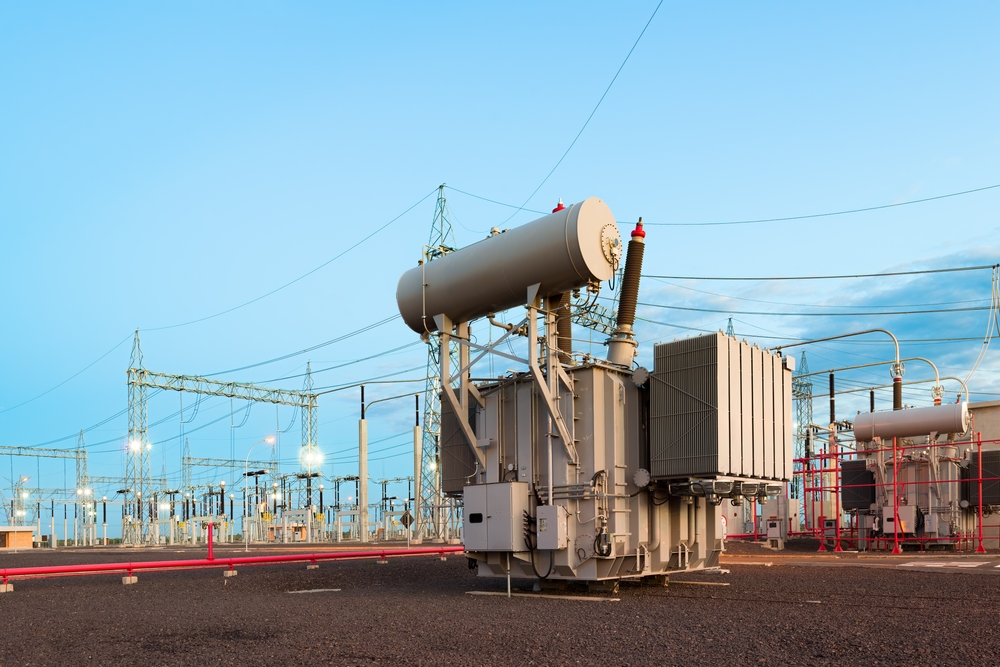
Global transformer demand is driving a new investment cycle, where capacity, lead times and regional manufacturing strategies are now critical to keeping grid projects on track.
As vehicles electrify, thermal management has become a core system, evolving from simple cooling to AI-driven energy control that directly impacts efficiency, range and performance.
Women in Engineering at CWIEME Berlin is moving from visibility to action, strengthening mentorship, representation and leadership to build a more capable and resilient workforce across the industry.
Designing resilient transformer and motor supply chains now starts with materials, where sourcing strategy, performance, and qualification must align to reduce risk without compromise.
Explore how advanced coil winding machinery is enabling faster, more precise and adaptable production across motors, transformers and the wider value chain.
As demand surges, electric motor manufacturers must balance precision, automation and supply chain resilience to scale production without compromising quality.
As electrification advances, motor performance is no longer defined by components alone but by how effectively entire systems integrate, from drives and controls to real-world operation.
A strategic shift is underway as automakers move production closer to home, reshaping the automotive supply chain around resilience, regionalisation, and risk management.
See how leading manufacturers are using automation and embedded knowledge to increase throughput, protect quality, and reduce reliance on scarce skills.
Understand why the real constraint behind rising transformer demand isn’t materials or capacity, but the growing gap between experience, skills, and workforce readiness.