The Global Home of Coil Winding

History of the Industry

For more than a century, the coil winding, transformer, motor and e-mobility sectors have shaped the backbone of global electrification — and today their evolution is accelerating at unprecedented pace. This page explores the key milestones, breakthroughs and engineering achievements that brought our industry to where it is now, and the innovations that will define what comes next.

As the world’s largest coil winding and electrical manufacturing exhibition, CWIEME Berlin stands at the centre of this progress, connecting the entire value chain and empowering the community driving the future of energy systems forward.


1975–1989

Materials breakthroughs and the birth of modern drives

  • Amorphous metal cores emerge (Metglas/Allied Signal), cutting transformer no-load losses and kicking off the long march toward high-efficiency distribution transformers.
  • Rare-earth magnets leap forward: NdFeB (neodymium-iron-boron) is invented and commercialised (GM/Sumitomo), enabling compact, powerful motors and countless actuators.
  • IGBTs arrive in the 1980s, combining MOSFET gate ease with bipolar current capability—paving the way for reliable variable-frequency motor drives (VFDs).
  • Insulation systems: aramid papers (e.g., Nomex) are adopted widely in dry-type transformers and motors through the 1980s for higher thermal classes and safety.
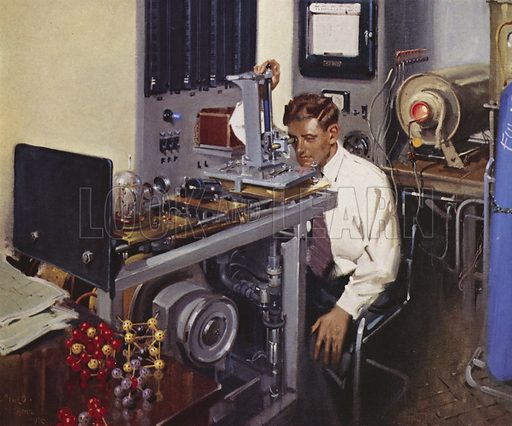
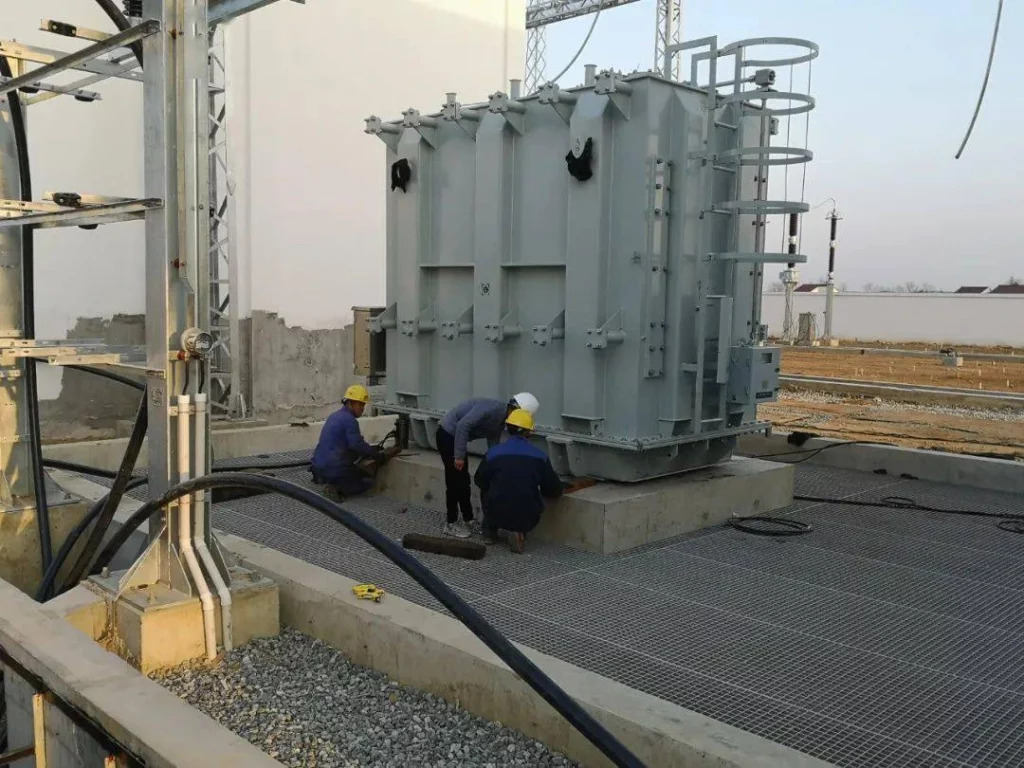
Early amorphous cores, rare-earth magnets, and VFDs reshaped transformer and motor design.
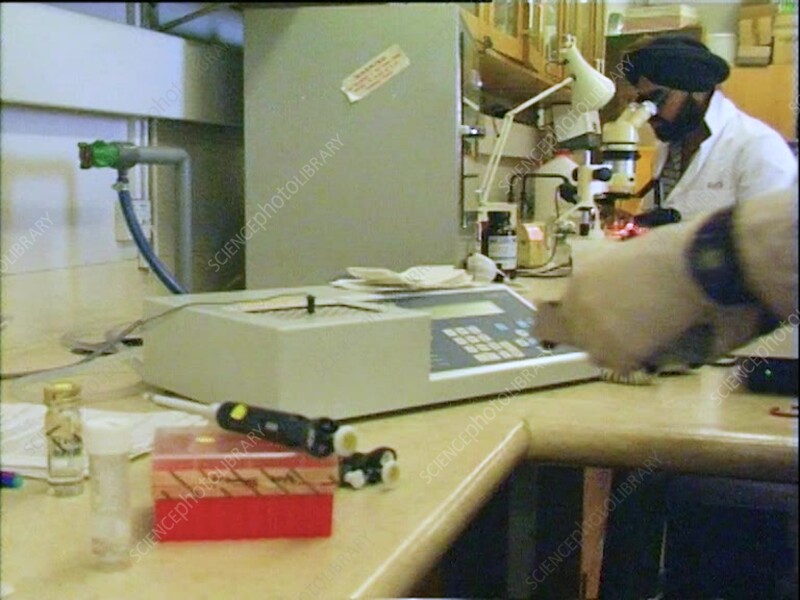
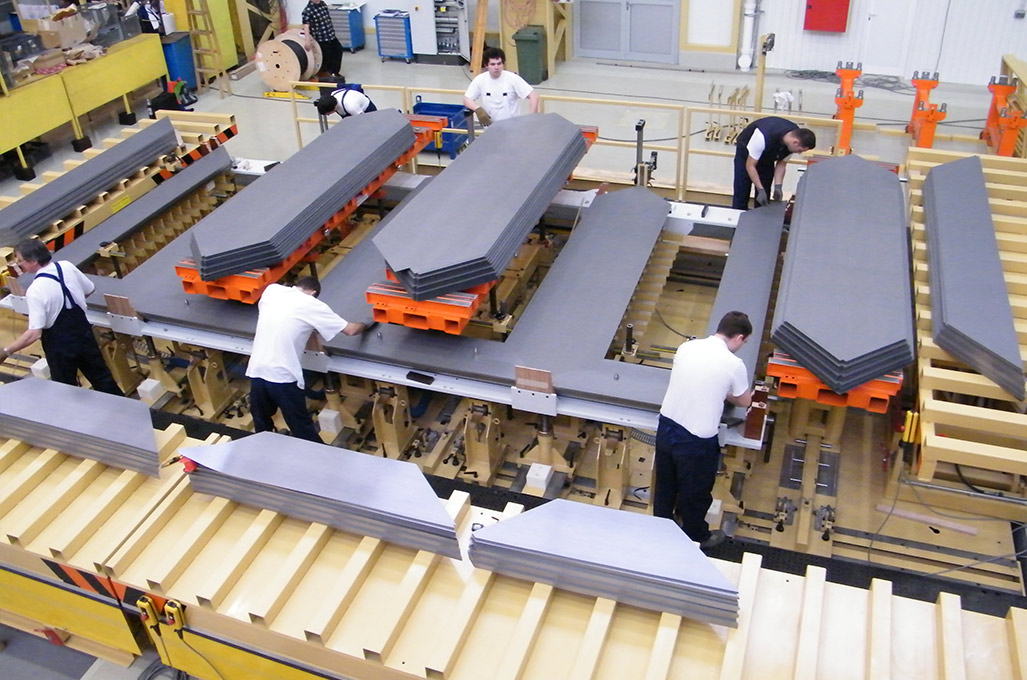
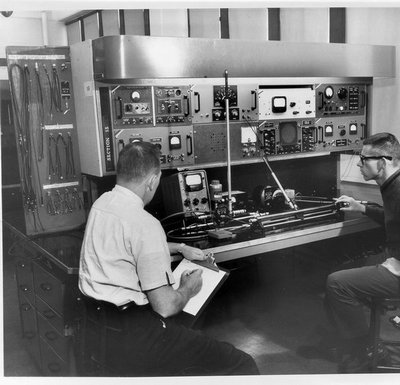
Nanocrystalline cores and early VFD adoption in factories and utilities.

1990–1999

Nanocrystalline cores & industrial VFD adoption

  • Electric Motor Manufacturing: In 1992 the US Energy Policy Act (EPAct) initiated the first national minimum-efficiency requirements for new industrial motors.
  • Nanocrystalline soft magnetics (e.g., FINEMET®) move from lab to industry for high-frequency transformers, chokes, and EMI parts—bringing low losses and temperature stability.
  • VFD use expands in factories, improving process control and energy use; “inverter-duty” motor designs begin to diverge from standard efficiency motors.
  • E-mobility & Automotive Drives: Toyota launched the Prius, the first mass-produced hybrid car, proving hybrid electric drives were viable and sparking global R&D.

2000–2009

Efficiency goes mainstream

  • Utilities and OEMs standardise on high-efficiency transformers; amorphous-core distribution units gain traction for 24/7 low-loss operation.
  • Lithium-ion milestone: Tesla’s Roadster (2008) and Nissan’s Leaf (2010) mark the first practical electric and mass market vehicles powered by lithium-ion batteries respectively.
  • Corona-resistant magnet wire matures to survive PWM drives’ steep dv/dt and partial discharge stress.
  • Regulatory frameworks gather pace (EU ecodesign groundwork in 2009’s 640/2009; later superseded), seeding the global IE-class language for motors.

High-efficiency transformers and early lithium-ion EVs push efficiency to the foreground.

Standardised IE classes and the rise of EVs reshape motor and drive design.

2010–2019

IE classes, EVs, and “inverterisation”

  • Global motor-efficiency harmonisation: IEC 60034-30-1 (2014) formalises IE1–IE4 classes, expanding scope (e.g., 8-pole).
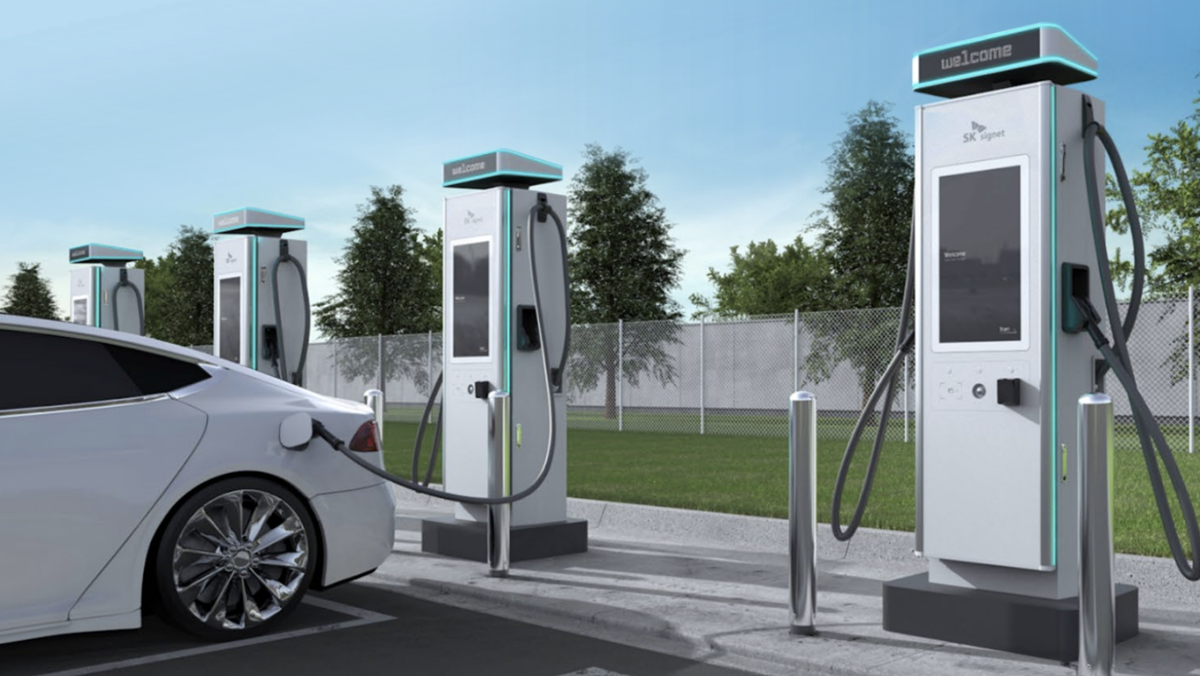
  • GaN (gallium-nitride) wide-bandgap adoption: GaN power devices enable higher switching frequencies and higher power density, letting designers make much smaller, lighter on-board chargers (OBCs), DC–DC converters, and high-power fast chargers.
  • EV demand accelerates R&D in compact, high-power traction motors and power electronics. By the mid-2010s, EV sales enter sustained growth.
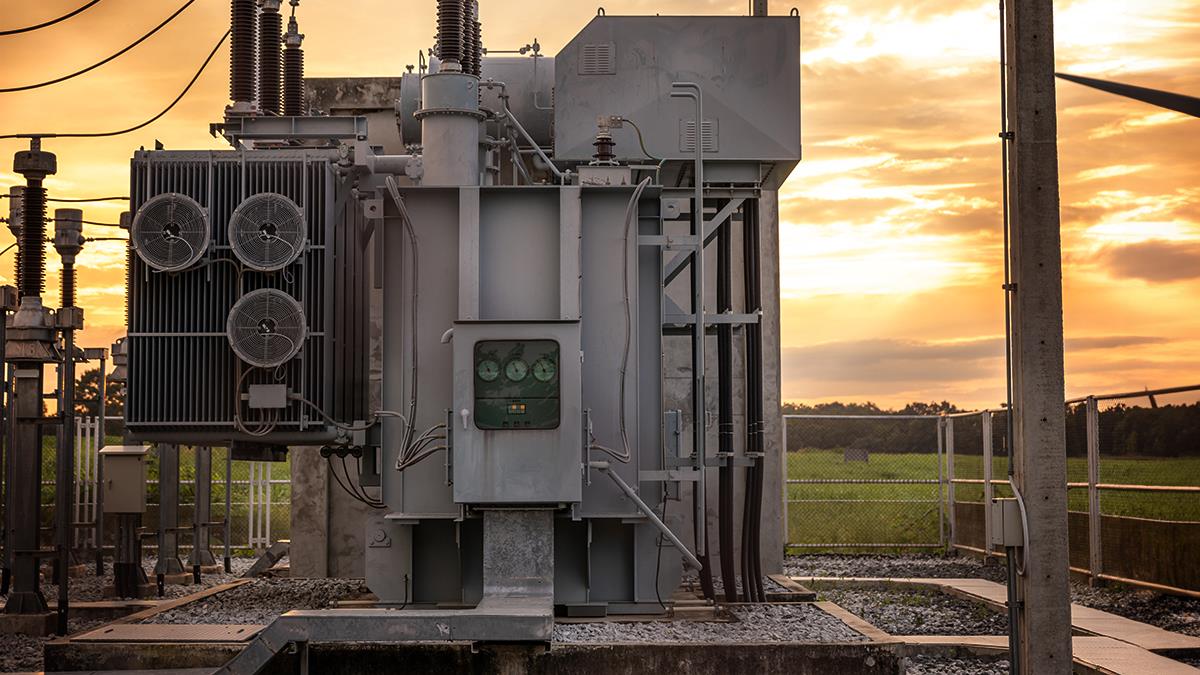
  • EU Regulation 548/2014 introduces mandatory minimum energy-performance levels for power and distribution transformers (Tier 1 2015; Tier 2 2021), pushing amorphous cores and better insulation/thermal designs.

2020–2025

Hairpin stators, SiC inverters, and tougher standards

  • Hairpin/flat-wire stators become the preferred choice for many e-axles (higher slot fill, better thermal paths); continuous hairpin concepts and segmented stators spread.
  • Automation & traceability: full hairpin lines (laser strip/weld, end-turn forming, 100% inline test) and Industry 4.0 data capture permeate motor shops.
  • SiC MOSFET traction inverters start displacing Si-IGBTs, enabling higher battery voltages (e.g., 800 V) and measurable drivetrain efficiency gains.
  • EV growth is now the industry’s prime demand driver (record global sales and >20% share in 2024, with further records through 2025 per IEA).
  • Regulation tightens:
    EU: Ecodesign 2019/1781 phases in higher motor & drive efficiency from 2021/2023.
    US: DOE final rule (2024) raises distribution-transformer efficiency while relaxing some steel requirements and extending compliance timelines.

Hairpin stators, SiC inverters, and modern production lines define the current era.

What actually changed in the factory?

  • Coils & windings: from random/flyer to needle and now hairpin/flat-wire with robotic insertion, laser enamel removal, twist/flaring, and automated brazing/welding—plus continuous hairpin variants.
  • Magnet wire: better thermal classes, thinner films with equal dielectric strength, and corona-resistant constructions for inverter duty.
  • Cores & steels: GOES remains foundational; amorphous dominates for ultra-low-loss distribution transformers; nanocrystalline is common in HF chokes/transformers and EMI.
  • Power electronics: from analog IGBT VFDs to SiC-based high-speed inverters, shrinking magnetics and changing insulation stress profiles.
  • Digitalisation: machine-learning-assisted winding quality monitoring and complete traceability across lines.

Zoom-ins on a few keystone shifts

  • NdFeB magnets (1984) → compact high-torque motors; less copper/iron for a given output.
  • Amorphous transformer cores (1970s→) → double-digit % cuts in no-load losses at scale for grids.
  • IEC IE-classes (2014→) → a common global language (IE2/IE3/IE4, with IE5 as an aspirational level) that reshaped procurement and OEM roadmaps.
  • Hairpin stators (2010s→) → higher slot-fill factors and thermal performance for EV traction; now mainstream.
  • SiC traction inverters (2020s) → 800 V architectures and system-level efficiency and density gains.

Emerging and next (2025–2030)

  • Continuous hairpin & aluminium conductors exploring cost/weight wins (active research; early prototypes/lines in Europe).
  • Further nanocrystalline innovations for compact, low-loss cores in power electronics; active materials R&D continues.
  • More stringent ecodesign and utility-side efficiency rules will keep pushing transformers and motors upward on the efficiency curve.
Venue

Messe Berlin, South Entrance, Messedamm 22, D-14055 Berlin, Germany

Opening times

Tuesday, 19 May | 09:30 – 17:30

Wednesday, 20 May 09:30 – 17:30

Thursday, 21 May | 09:30 – 16:00